for small and medium-sized enterprises with hong kong or international communication needs, judging whether "hong kong two-way cn2 is good" is related to business availability and user experience. this article provides a structured comparison list to help enterprises make executable evaluation and selection recommendations from the perspectives of performance, stability, cost, and security.
hong kong's two-way cn2 usually refers to a line solution that uses optimized backbone routing to optimize both internal and external networks. core features include better bgp routing selection, lower hop count, and theoretically more stable cross-border delay, making it suitable for application scenarios that have clear requirements for real-time performance and stability.
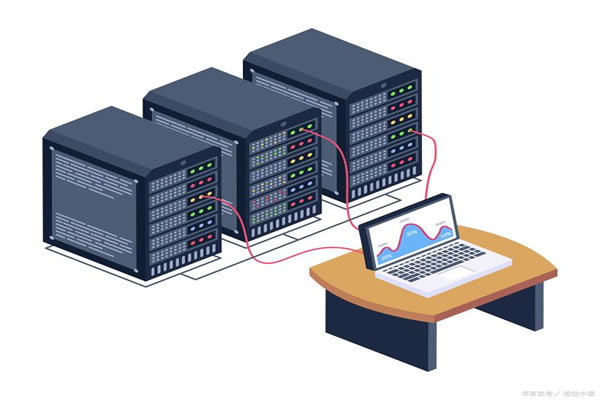
the evaluation should be based on actual icmp/tcp tests, paying attention to one-way delay, jitter and packet loss rate. small and medium-sized enterprises should conduct testing during peak and off-peak hours and compare similar alternative routes. stable low latency and low packet loss can significantly improve the experience of voip, video conferencing and real-time synchronization.
the key to judging good or bad lies in path redundancy and service level agreement (sla). check for multiple complementary routes, automatic switching mechanisms, and availability commitments. operation and maintenance logs, historical fault recovery times, and the operator's international port and peering policies all affect daily availability.
long-term expenses such as bandwidth, access, cross-border link management, troubleshooting and monitoring tools should be included in the cost assessment. small and medium-sized enterprises need to compare maintainability and operation and maintenance thresholds in addition to unit cost, and choose a solution that can provide stable support and simple management within the budget.
network security is an important dimension, and it needs to be confirmed whether it includes ddos mitigation, traffic filtering, and log access mechanisms. at the same time, pay attention to the compliance points of data transmission and the data sovereignty requirements of hong kong/mainland to ensure that the business operates within the compliance framework and has audit traceability.
it is recommended to follow the four-step process of "performance testing, stability review, total cost assessment, and security compliance inspection": first conduct multi-period performance testing, then review redundancy and sla, calculate long-term tco, and confirm security capabilities. combine business priorities and budget to select the most suitable measurable and controllable solution.
- Latest articles
- How To Leverage Indian VPS And Thai VPS To Achieve Global User Distribution And Accelerate Deployment
- How To Assess The Quality Of Third-party VPS Management Services In Hong Kong Through SLAs
- Research On Improving The Accuracy Of Vietnamese Native IP In Mobile Advertising Targeting
- The Low-latency Connection Strategy Helps Malaysian Cloud Servers Provide A Better Experience For Asia-Pacific Users
- High-availability Architecture Design For US High-defense Servers And Card Games From An Operations And Maintenance Perspective
- From Bandwidth To Hard Drive Read/write Metrics, It Is Crucial To Assess The Impact Of Cambodia's Junk Servers On Business
- A Guide To Leasing Server Vendors For Small And Medium-sized Enterprises In Vietnam, Evaluating Cost-effectiveness And Scalability
- Video Site Load Tests Compared To Several Mainstream Malaysian VPS Products
- Thailand Cloud Server Rental Costs, Budget Recommendations For Small Sites And High-traffic Projects
- Comparing Local Data Centers And Singapore Cloud Server Latency And Reliability Differences
- Popular tags
-

Can Hong Kong Site Group Be A Hen To Help You Understand The Real Purpose Of Site Group?
This article will explore the use of Hong Kong website groups in depth, analyze its role in SEO and online marketing, and help you better understand the value of website groups. -

Comparative Test On Packet Loss Between Hong Kong Return Cn2 And Ordinary Return Lines
a comparative test on the packet loss performance of hong kong's backhaul cn2 line and ordinary backhaul lines, including test environment, methods, result interpretation and optimization suggestions to help choose a suitable backhaul solution. -
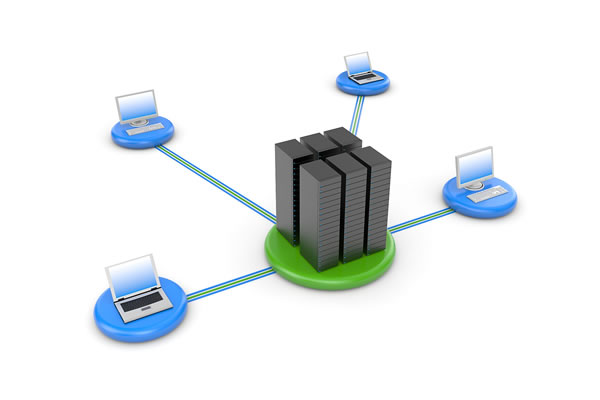
This Technical Requirements List Outlines The Connection And Monitoring Specifications Prepared For The Hong Kong Cloud Hosting Data Center Proxy
This document outlines the technical requirements for access and monitoring solutions designed for Hong Kong-based cloud hosting data centers. It covers key aspects such as network connectivity, bandwidth redundancy, physical access, power supply infrastructure, permission management, performance monitoring, and log auditing, facilitating compliant implementation and operational maintenance.